Smart Factory Solutions: Costs, ROI, and Rollout Risks


Smart Factory Solutions promise faster output, better quality, and greater resilience, but enterprise leaders rarely approve them on vision alone. They approve them when costs are visible, ROI is measurable, and rollout risks are controlled.
For most manufacturers, the right conclusion is not whether to invest, but where to start, how fast to scale, and which use cases will create value without disrupting operations.
What enterprise decision-makers are really evaluating
When leaders search for Smart Factory Solutions, they are usually not looking for a generic definition of Industry 4.0. They want a decision framework that connects automation spending to financial results and operational outcomes.
The core search intent is practical evaluation. Decision-makers need to understand total investment, expected payback, implementation complexity, integration constraints, workforce implications, and the risk of buying technology that never reaches scale.
In boardrooms and plant reviews, the key questions are consistent. Which smart factory investments produce the fastest returns? Which plants or lines should be upgraded first? What risks threaten uptime, budget, and adoption?
That means the most useful discussion is not abstract digital transformation language. It is a grounded view of costs, ROI drivers, rollout sequencing, and the technical realities behind industrial automation performance.
Why Smart Factory Solutions are getting budget priority
Manufacturers are under pressure from labor shortages, rising energy costs, tighter quality standards, and volatile supply chains. Smart Factory Solutions are increasingly viewed as a way to protect margins while improving production flexibility.
For capital-intensive operations, even small improvements can matter. A modest reduction in unplanned downtime, scrap, setup time, or energy consumption often creates more value than broad but vague digitization programs.
That is why successful investment cases usually begin with a narrow business problem. It may be unstable throughput, high maintenance costs, quality escapes, labor dependency, or poor real-time visibility across equipment and lines.
Once that problem is clearly defined, decision-makers can map suitable technologies to value. In many cases, the highest-impact projects combine controls, motion systems, machine connectivity, edge computing, and production analytics.
What Smart Factory Solutions usually include in practice
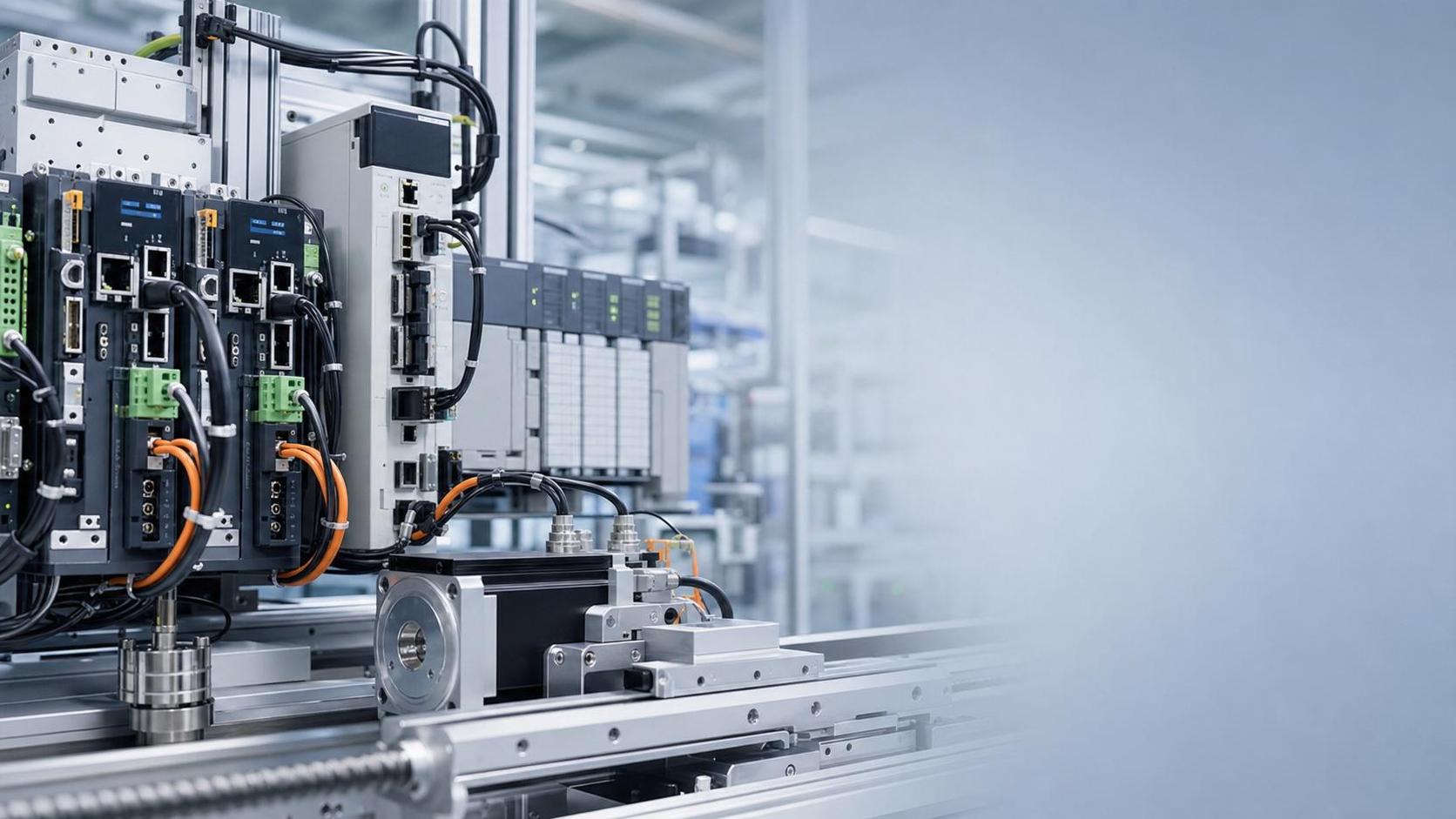
In real factories, Smart Factory Solutions are rarely a single product. They are a layered operating architecture that links machine control, data acquisition, production execution, and decision support across the plant.
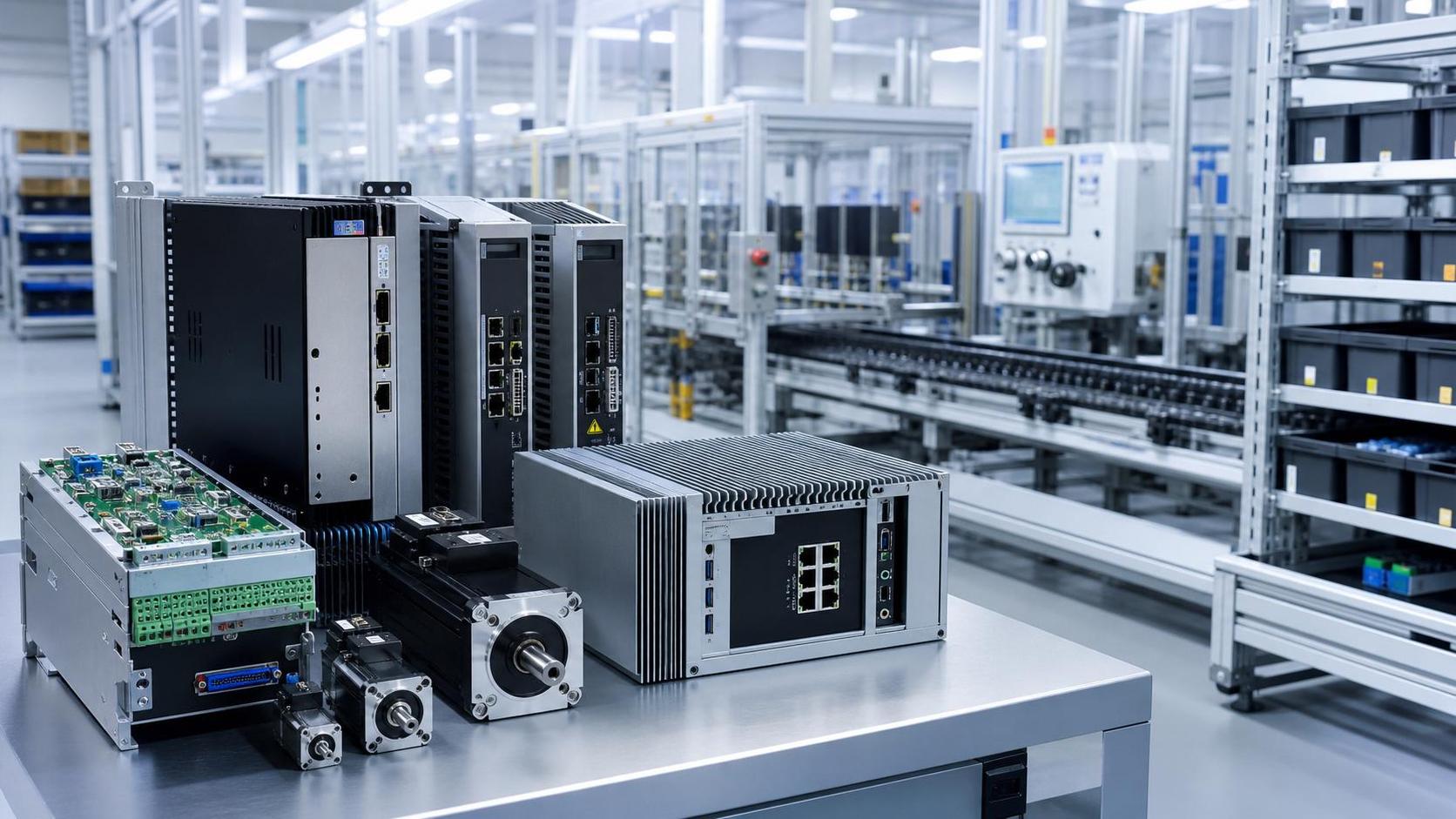
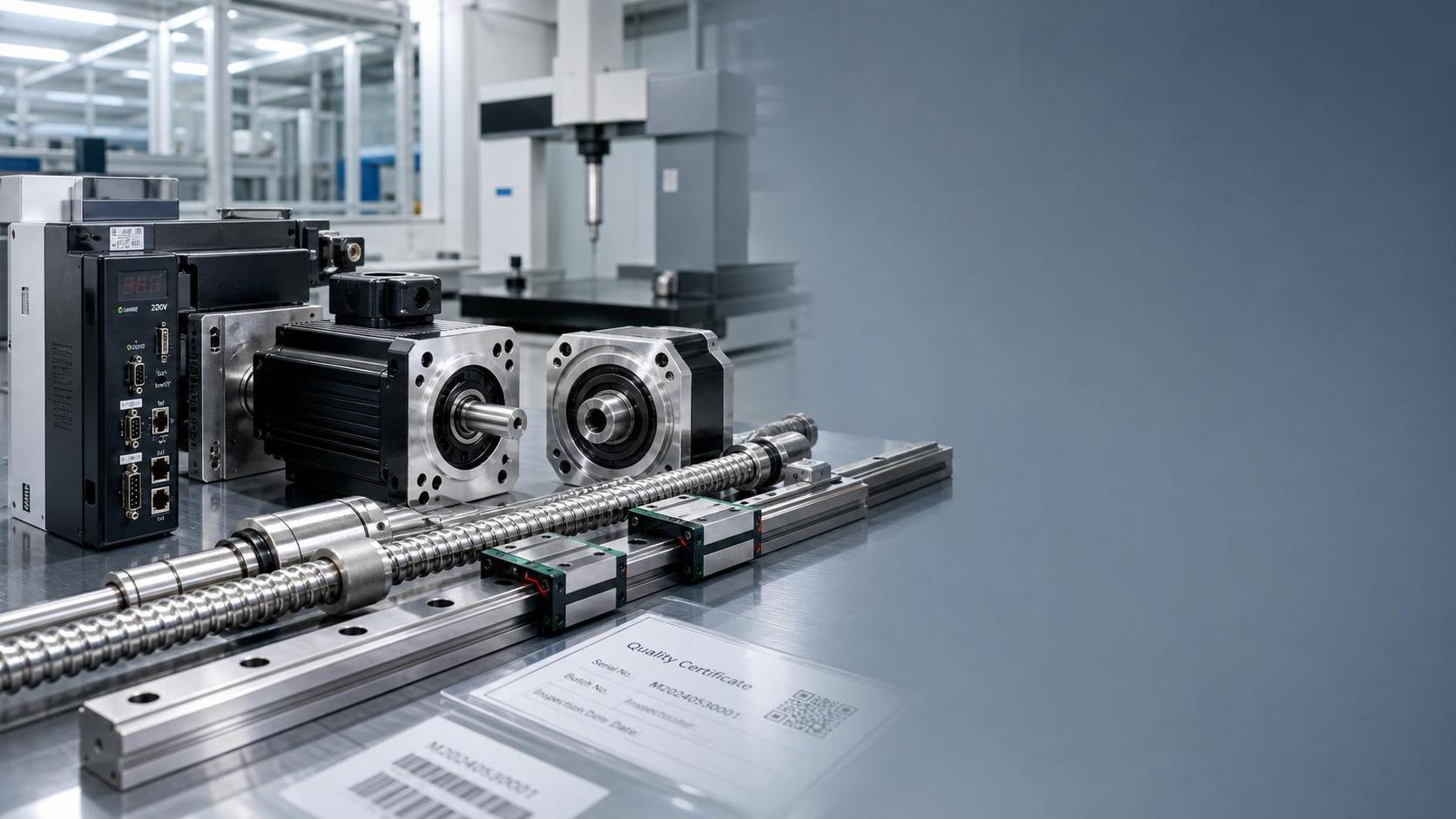
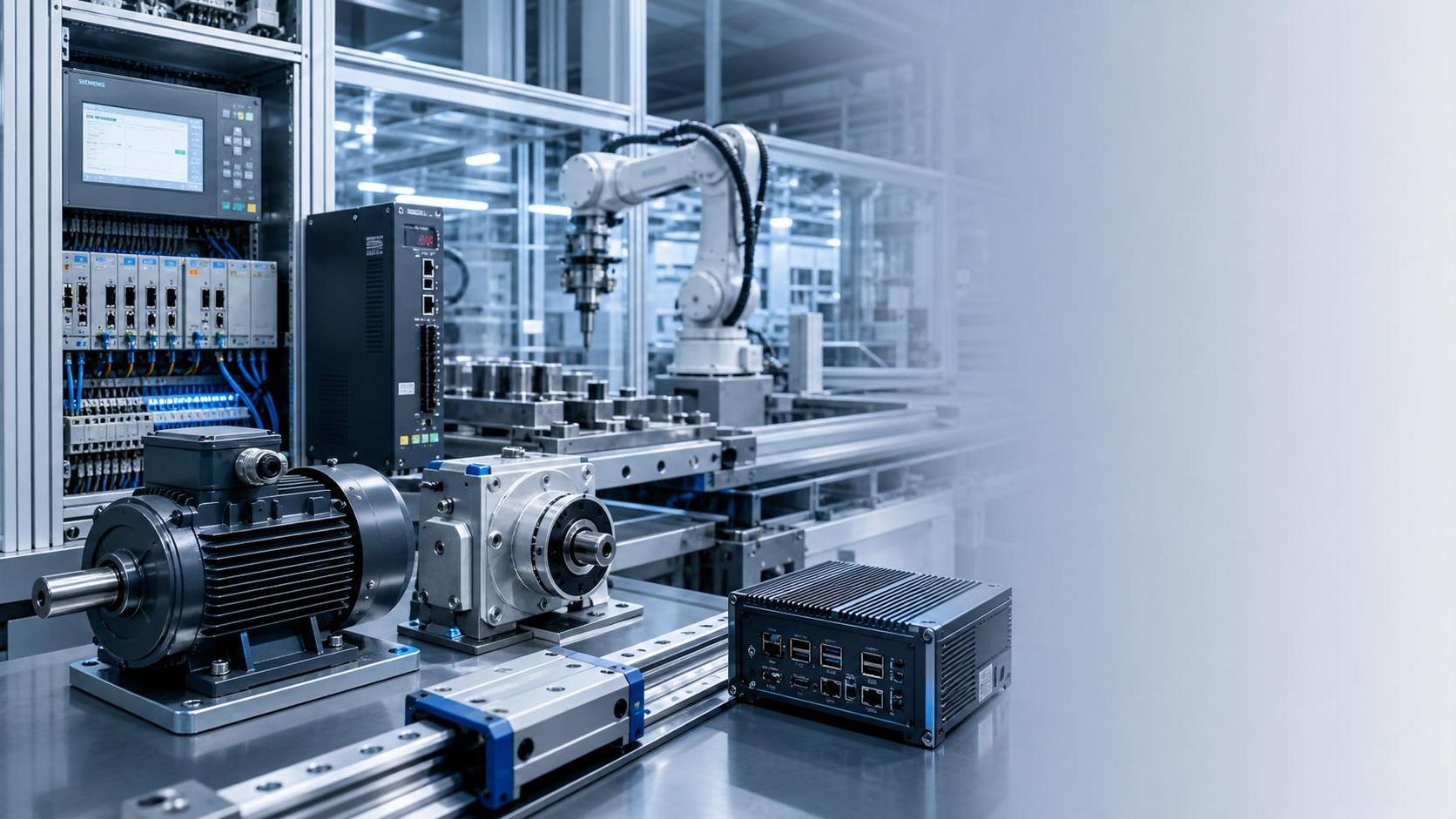
At the equipment level, this can include industrial AC servo motors, drives, precision reducers, linear motion systems, inverters, PLCs, DCS platforms, sensors, industrial PCs, and machine vision components.
At the system level, the focus shifts to connectivity, condition monitoring, digital work instructions, energy management, predictive maintenance, historian platforms, manufacturing execution systems, and plant-wide performance dashboards.
For decision-makers, the key point is this: value does not come from owning more technology. It comes from combining the right technologies around a specific constraint, then turning the resulting data into faster operational decisions.
Understanding cost: what the budget really needs to cover
One of the biggest mistakes in evaluating Smart Factory Solutions is focusing only on hardware prices. The true cost is broader and often includes items that appear later, after executive approval has already been given.
Direct capital spending may cover controllers, servo systems, inverters, IPCs, sensors, networking, machine retrofits, software licenses, cybersecurity tools, and mechanical upgrades needed to support tighter automation tolerances.
Implementation costs can be equally significant. These include system integration, engineering design, controls programming, commissioning, validation, operator training, production downtime during installation, and external consulting support.
There are also lifecycle costs. Maintenance contracts, spare parts strategy, software updates, cybersecurity patching, data storage, cloud or edge infrastructure, and internal support teams all affect the long-term economics.
For older facilities, integration costs often rise because legacy machines were never designed for digital connectivity. Retrofitting a PLC or adding industrial edge computing may be straightforward, but harmonizing mixed protocols can be expensive.
That is why experienced buyers use total cost of ownership, not purchase price, as the baseline. A lower-cost system that creates integration friction may be more expensive over five years than a higher-quality, interoperable platform.
Where ROI actually comes from
Executives should not expect ROI from “being digital.” Returns come from measurable operational changes. The strongest business cases usually tie Smart Factory Solutions to a small set of high-value performance improvements.
Common ROI drivers include reduced unplanned downtime, higher overall equipment effectiveness, lower scrap and rework, better first-pass yield, reduced labor intensity, faster changeovers, lower energy use, and improved inventory accuracy.
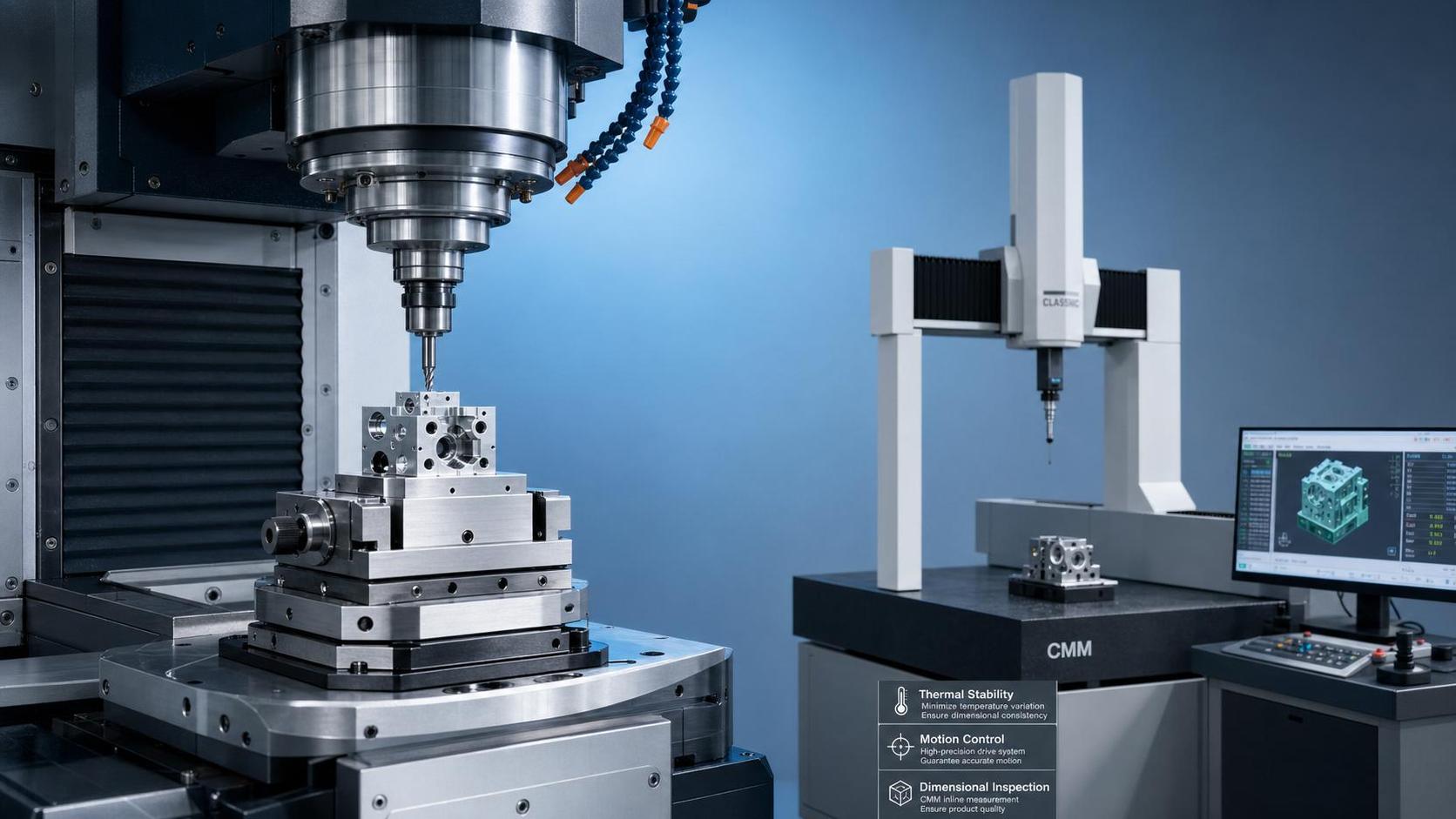
In motion-intensive processes, better servo control, tighter mechanical transmission precision, and more responsive PLC logic can stabilize cycle times and improve repeatability. Those gains often translate directly into throughput and quality improvements.
In facilities with energy-heavy motors, inverter upgrades can create meaningful savings, especially where speed control is inconsistent or oversized equipment runs continuously. These projects may deliver some of the clearest and fastest payback.
Predictive maintenance is another strong use case, but only when linked to costly assets and real maintenance workflows. Simply collecting vibration or thermal data does not create value unless it changes repair timing and prevents actual failure.
The best ROI models separate hard benefits from soft benefits. Hard benefits affect cost, output, or cash flow directly. Soft benefits, such as better reporting or improved transparency, matter strategically but should not carry the entire business case.
How to calculate ROI without overstating the case
Decision-makers need a disciplined approach because smart factory proposals often arrive with optimistic assumptions. A credible ROI model starts with current-state baseline data, not vendor benchmarks from unrelated operations.
First, identify the constraint being addressed. Is the plant losing output through downtime, quality losses, energy waste, long setups, or maintenance failures? The economic model should connect directly to that constraint.
Second, quantify the current cost of the problem. Downtime should be valued in lost contribution margin, not just maintenance expense. Scrap should include material, labor, and schedule impact. Labor savings should reflect redeployment reality.
Third, model three scenarios: conservative, expected, and upside. This prevents the business case from depending on best-case assumptions and helps leadership understand risk-adjusted returns before approving capital.
Fourth, include adoption lag. Many Smart Factory Solutions do not reach full performance in the first quarter after installation. Operators need training, production recipes need tuning, and management routines must adapt to new data.
Finally, set review checkpoints. If the projected ROI depends on reducing changeover time by 20 percent, that metric should be measured monthly after deployment. Without post-launch governance, expected returns often remain theoretical.
What creates rollout risk
Most smart factory programs fail less because the technology is weak and more because the rollout is mismanaged. Risk usually appears at the intersection of operations, engineering, IT, procurement, and workforce adoption.
A common risk is poor problem selection. Companies invest in highly visible technology before confirming whether it solves a priority bottleneck. The result is a modernized process that still underperforms in the area that matters most.
Another major risk is underestimating integration complexity. New PLCs, drives, IPCs, and analytics platforms must coexist with legacy machines, existing MES or ERP environments, and plant cybersecurity requirements.
Downtime risk is also critical. Even a technically sound upgrade can damage the business case if installation disrupts customer deliveries or peak production windows. Rollout timing should be treated as a strategic planning issue, not a technical detail.
Vendor dependency creates another concern. If architecture choices lock the plant into proprietary systems, future expansion may become slower and more expensive. Open interoperability should be part of the selection criteria from the start.
Finally, people risk is often underestimated. If supervisors, maintenance teams, and operators do not trust the new system or do not know how to act on its data, usage remains shallow and the promised gains do not materialize.
How to reduce implementation risk before rollout begins
The safest path is to begin with a focused use case in a high-value area. Choose a process where the pain is measurable, baseline data exists, and plant leadership is willing to support operational changes after deployment.
Before selecting suppliers, define success in business terms. That may mean reducing downtime by a target percentage, improving yield, cutting setup time, or lowering energy consumption on a specific line or asset group.
Cross-functional alignment is essential. Operations, maintenance, controls engineering, IT, finance, and plant management should agree on scope, data ownership, cybersecurity standards, downtime windows, and acceptance criteria.
Technical due diligence should go deeper than feature comparison. Evaluate controller scan performance, motion accuracy, encoder reliability, network determinism, environmental suitability, spare part availability, and local service capability.
For factories with demanding precision requirements, the quality of motion control and transmission components matters directly to ROI. Servo loop response, mechanical backlash, and control stability can determine whether expected productivity gains are real.
It is also wise to plan change management early. Training should not begin after commissioning. Operators and maintenance teams should understand why the project matters, how work routines will change, and what support is available.
Where many manufacturers should start first
Not every plant should begin with a full-scale digital transformation program. In many cases, the strongest first step is a targeted deployment with clear economics and low organizational friction.
Typical starting points include high-failure assets, energy-intensive motor systems, bottleneck lines with unstable throughput, manual inspection areas with high defect escape costs, and maintenance processes that rely too heavily on reactive intervention.
Retrofit opportunities are often attractive because they improve existing assets without requiring complete equipment replacement. Adding modern PLC control, variable frequency drives, industrial IPCs, and condition monitoring can unlock value quickly.
For greenfield projects, the opportunity is broader. Decision-makers can standardize controls architecture, data models, network strategy, and motion platforms from day one, reducing future integration cost and scaling complexity.
The right entry point depends on business urgency. If margin pressure is driven by energy costs, focus there first. If customer complaints are rising, quality and traceability may deserve priority. Strategy should follow the dominant pain point.
A practical roadmap for enterprise leaders
A useful roadmap begins with portfolio thinking. Rank candidate smart factory projects by business impact, payback speed, implementation risk, and scalability across plants or product families.
Phase one should validate value. Select one or two use cases with clear metrics, manageable scope, and executive sponsorship. Build a baseline, deploy, measure outcomes, and document lessons about data, integration, and workforce adoption.
Phase two should standardize what worked. This includes technical standards, approved vendors, cybersecurity controls, KPI definitions, maintenance procedures, and internal governance for approving similar projects elsewhere.
Phase three is scale. Only after proving repeatability should the organization expand Smart Factory Solutions across multiple lines, plants, or regions. Scaling too early is one of the most expensive mistakes in industrial digitalization.
At the enterprise level, leaders should treat smart factory investment as an operating model shift, not a one-time capital event. Governance, capability building, and continuous performance review are what convert isolated wins into durable advantage.
Conclusion: invest with precision, not hype
Smart Factory Solutions can absolutely improve productivity, quality, resilience, and cost structure. But the returns are strongest when manufacturers invest with precision, tie technology to a defined constraint, and control rollout risk from the beginning.
For enterprise decision-makers, the right question is not whether smart factories are the future. The better question is which solution should be deployed first, on which assets, under what economic assumptions, and with what scale plan.
When cost visibility, ROI discipline, and implementation governance come together, smart factory investment stops being a speculative digital initiative. It becomes a practical industrial strategy with measurable operational and financial value.
Related Recommendations
 How to Evaluate an Industrial Control Electronics ManufacturerTime : Jul 04, 2026
- Micron-Tolerance Components: What Really Affects CNC AccuracyTime : Jul 03, 2026
- How ISO-Certified CNC Motion Components Reduce Supply RiskTime : Jul 03, 2026
- When Motion Control Solutions Fail: Common Integration Gaps to FixTime : Jul 02, 2026
- Manufacturing Automation ROI: Where Operating Costs Drop FirstTime : Jul 01, 2026
- Industrial Equipment Solutions Provider: What to Check Before You CommitTime : Jul 01, 2026